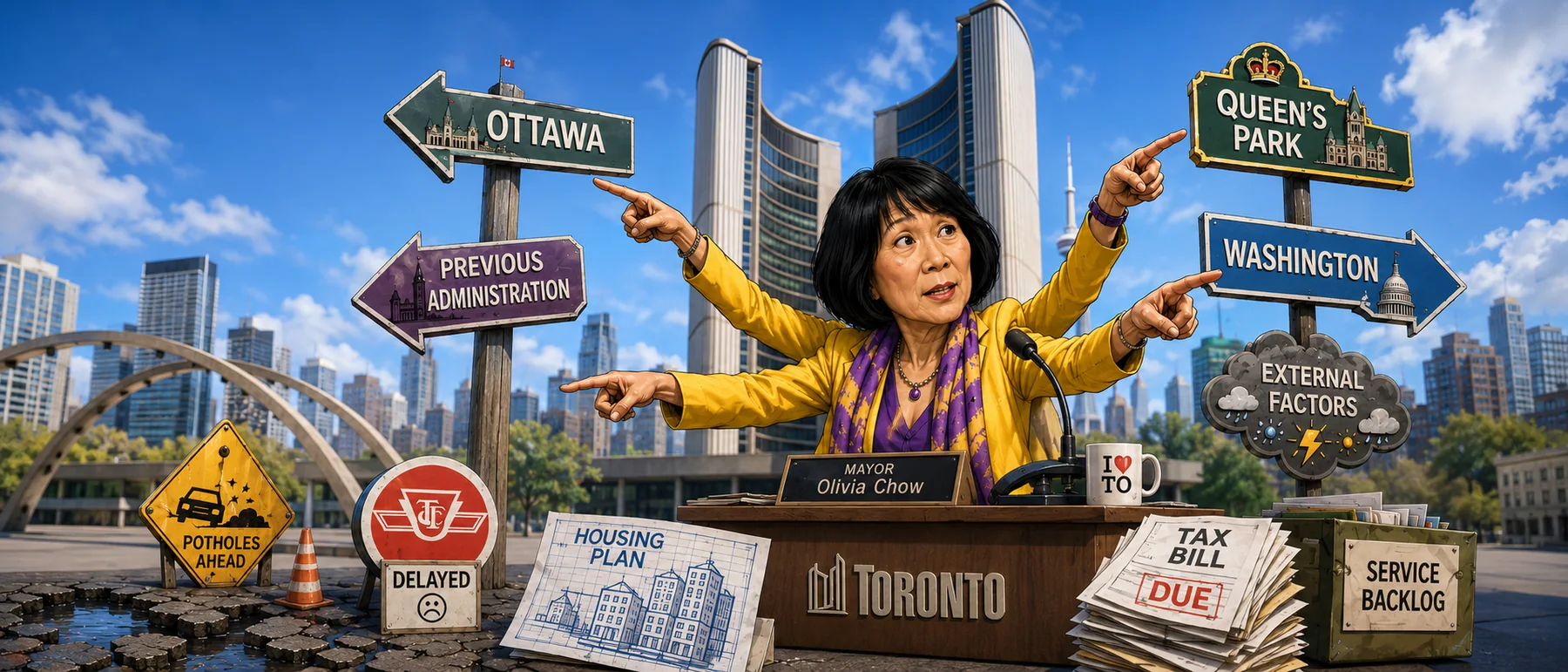
Chow’s July 2026 initiative identified a legitimate emerging consumer-protection risk, but the public materials disclosed no named Toronto grocer, documented Toronto shopper, local transaction or completed enforcement finding.
What the public record establishes
The July 21, 2026 letter says large technology and retail companies are using personal activity to extract more profit and describes surveillance pricing as an emerging predatory practice. The letter’s recommendation did not itself enact a ban. It proposed that staff identify possible mechanisms for Toronto to ban or regulate individualized grocery-price increases and report to the new term of Council in the first quarter of 2027.
City Council adopted the item on July 29–30, 2026. The final direction asks staff to identify all possible mechanisms for Toronto to ban or regulate surveillance pricing that increases grocery prices, including online grocery sales and delivery, and to report in the first quarter of 2027.
Who controlled what
Municipal authority and responsibility
The City controlled the wording of the accusation, the timing of the motion, the distinction between prevention and proven local misconduct, and whether the public received a careful explanation of electronic shelf labels, loyalty discounts, general dynamic pricing and individualized price increases.
Inherited or external context
Surveillance pricing technology can exist, especially in online environments where a customer is logged into a private account. Preventive regulation can be legitimate even before a practice becomes widespread. Corporate denials are claims by the companies, not substitutes for audits.
What Chow said or did
Chow’s position is that Toronto should not wait for federal or provincial action before examining protections against an emerging practice. She advanced the item through Executive Committee; City Council subsequently adopted the direction on July 29–30, 2026. The adopted item initiates staff work rather than itself creating a ban.
Accountability analysis
The strongest criticism is about sequencing and precision. The rhetoric reached a conclusion about unnamed sectors before the public record established a Toronto case. It also grouped AI, data collection, electronic pricing and corporate profiteering into one threatening narrative. That can create fear of legitimate AI and retail technology while staff are still determining what is occurring and what Toronto can legally regulate.
Claims this article does not make
Do not claim a grocery conspiracy was proven. Do not claim electronic shelf labels automatically identify shoppers. Do not present the mayor’s private electoral motive as established fact. The supportable point is that the accusation ran ahead of the disclosed Toronto-specific evidence.
Questions to track
- What legal authority does staff conclude Toronto has?
- Will staff document any Toronto-specific cases or transactions?
- How will the City distinguish individualized surveillance pricing from ordinary discounts, electronic shelf labels and general dynamic pricing?
- What options return to Council in Q1 2027?
Sources and evidence
- City letter: Making Grocery Prices Fair Official
- Council item EX33.33 Official
- CityNews coverage Reporting
- TorontoToday coverage Reporting
- Policy Options analysis Analysis
- Loblaw public statement Company statement
Status and source links should be rechecked immediately before publication. This article reflects the official Council record available on July 26, 2026; secondary reporting is used for context, and official records control where they conflict.